Pudina is a common herb that is easily available in almost every Indian household. It is known for its fresh aroma, cooling effect, and refreshing taste.
But did you know that it’s also used in medicines? Yes, you heard me right!
Pudina is rich in vitamins and minerals and has anti-inflammatory and antibacterial effects that can help with digestion, immunity, and overall health naturally. However, like any herb out there, you should use it in normal amounts.
If you want to know more about pudina leaves benefits (पुदीना के फायदे), their uses, and their side effects, scroll through this blog to the end.
What are Pudina (Mint) Leaves?
Pudina is a popular herb from the Mentha family. Its leaves are pretty well known for their refreshing, aromatic scent and taste, which make them useful for both food and medicines.
This plant is mostly found in Europe and Asia, though now it’s easily available across the world. These leaves are rich in menthol, a compound that gives you cooling and soothing benefits.
Pudina Leaves Benefits (पुदीना के पत्ते के फायदे)
Mint is a cooling ingredient with many benefits for your body, which is why people often use it to deal with various symptoms and maintain overall health, such as:
Helps with Digestion
The menthol in mint helps relax the muscles and help with indigestion, bloating, and gas. You can also use it as herbal tea to soothe discomfort in the stomach after meals.
Supports Respiratory Health
People have long been using mint as a natural remedy for respiratory issues, colds, coughs, and asthma. The menthol in it acts as a medicine for stuffy noses and colds, and helps you open airways so you can breathe more easily. If you want relief with taste, you can try out pudina tea. Its steam can clear up blocked sinuses and also help with nasal congestion.
Relieves Headache
If you have a stubborn headache, you can use pudina leaves to reduce the pain. The menthol in mint can help relax the muscles around the head and the neck. You can apply mint oil to the temples for a cooling effect, which can be helpful in migraines and headaches caused by stress.
Improves Mental Clarity
Studies say that mint can also impact your mental health. The refreshing aroma of the mint can help you improve focus and reduce mental fatigue, helping you clear your mind.
Improves Joint Pain
Pudina can also help with joint and body pain. The menthol in mint has anti-inflammatory and pain-relieving benefits that help you ease the joint pain in a much more natural way. It also helps relax the muscles and ease muscle tension, stiffness, and cramps.
Apart from that, it also improves the blood circulation in the affected area, which helps reduce pain and discomfort.
Dental Care
This plant has antibacterial benefits that help get rid of the bacteria causing bad breath. It can also help clear plaque on the teeth. Menthol is usually the key ingredient used in toothpaste, mouthwash, and other products to help deal with dental problems.
Promotes Weight Loss
Pudina can also help with healthy weight management by helping with digestion and improving metabolism. This plant can also deal with the unnecessary cravings that often lead to overeating. Apart from that, mint tea can also help with bloating, making you feel much lighter and more active.
Combat Stress and Depression
Pudina is a key ingredient often used in aromatherapy. The rich flavour and smell of the mint essential oil can help ease stress and help refresh your body and mind.
Helps with Breastfeeding
Lactating mothers often have trouble with breastfeeding because of sore and cracked nipples. There are many studies that say mint essential oil can help with breastfeeding.
Mint Leaves for Hair Growth
Pudina is rich in antioxidants and carotene that help promote hair growth and prevent hair fall. The antimicrobial and antifungal properties of the mint leaves can help deal with dandruff, head lice, and other scalp issues.
Mint Benefits for Skin Health
Mint is a common herb in skincare and beauty products because of its cooling and soothing effects it offers.
Cures Acne
This plant is rich in salicylic acid and vitamin A, which helps control the secretion of the sebum oil in the skin and helps deal with acne.
Slows Down Ageing
The antioxidants and the vitamins in the pudina leaves help keep the moisture in the skin and help tighten the pores, reduce blemishes, and improve the skin complexion, making it look more radiant and healthy.
Treats Dark Circles
Pudina is the vitamin A and C that helps improve the blood circulation, reduce dark circles, and make the skin look healthy.
Removes Dark Spots
The salicylic acid in pudina helps repair and soften the skin cells. The extract of the mint leaves can help brighten the skin tone and reduce the dark spots, making your skin much healthier.
Improves Skin Tone & Complexion
Since mint is a natural cleanser, it helps get rid of the dead skin cells and give you a radiant and bright complexion.
Pudina Leave Uses
Because of mint’s nutritional value, it has a lot of uses, and the common ones are:
People often use pudina in cooking because it smells and tastes good. Mint is mostly used in salads, soups, raita, and dishes that are garnished.
Mint is also used in drinks like mint tea, mint lemonade, mint water, smoothies, and mocktails.
You can also use pudina as a home remedy to help with stomach problems or detox.
It is commonly used in natural beauty treatments as face packs, toners, hair masks, and scalp treatments.
Pudina Side Effects (पुदीना के नुकसान)
Mint is usually safe and has a lot of good effects, but using a lot of it can be very bad for you. You might notice some of these side effects of pudina:
Acidity
Too much mint can relax the muscles in the stomach, which can increase acidity issues in some people.
Allergic Reaction
Some people may experience skin irritation, itching, rashes, and headaches because of allergic reactions. If you also notice such things, you should stop eating mint and visit a doctor.
Lowers Blood Sugar
If you are someone with diabetes, you should have mint in moderate amounts, as it may lower your blood sugar levels.
Interaction with Medicines
If you’re already taking some medicine, you should first visit a doctor to avoid any major side effects in the future.
Not for Infants
Mint should not be given to infants, as it can cause breathing problems.
Conclusion
Pudina is indeed a powerful herb in Ayurveda that can help manage a lot of symptoms and offer many health benefits. No matter if you want relief from headaches or just want to care for your skin, pudina leaves benefits are the ideal option.
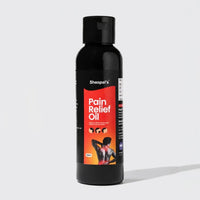
If you have any joint or body pain, you can try out Sheopal’s Pain Relief Oil. It is natural oil made with herbal ingredients, so you don’t need to worry about any side effects.
However, you should remember to eat mint in moderation, as using it in heavy amounts could be dangerous to health.
Note: The products mentioned in this blog are not intended to treat, cure, or prevent any medical condition. To see better results, consistent use of products is required.
FAQs:-




Thoughts on "Pudina (Mint) Leaves Benefits, Uses and Side Effects (पुदीना के पत्ते के फायदे,नुकसान और उपयोग)"