

Beard Growth Kit Benefits, Side Effects & How to Use It


You’ve been growing your beard for weeks, but it doesn’t look like the ones you see online. There are bare spots around the chin, and the hair feels dry, curly, or uneven. On top of that, your skin itches, flakes, or breaks out under the stubble, which makes you want to shave it all off.
These are the most common beard problems men face, and they usually come from a mix of genetics, dry skin, poor nutrition, and a lack of routine. Many men try random oils, serums, and supplements and then give up when nothing seems to work.
That’s where a beard growth kit comes in. It combines the basic beard growth products into one kit. In this guide, you’ll learn what’s usually inside a beard growth kit, whether it works, the side effects, and how to use it safely.
|
Table of Contents:
|
|
Quick Answer: A beard growth kit can make your skin and beard healthier, and that can make thin spots look a bit fuller. It can’t grow follicles you don’t have. Your genes and hormones set the limit. If you try a kit, stay consistent for 3 to 6 months before deciding if it’s worth it. |
What is a Beard Growth Kit?
It’s a bundle of products sold together, usually aimed at three jobs: feeding the skin and follicles, keeping everything clean, and keeping the beard tidy.
The main benefit of the kit is convenience. You get a routine in one box without having to navigate the various products in the market and wondering about their effectiveness or credibility.
What’s Inside a Beard Growth Kit?
Every brand mixes it up, but you’ll usually find these products in the kit:
- Beard growth oil. A blend like castor, coconut, jojoba, or argan oil. It moisturizes the hair and the skin under it, which cuts down on itching and flaking.
- Beard growth serum. A light liquid you put on the skin that helps with beard growth using actives like Redensyl, Capixyl, biotin, caffeine, or peptides.
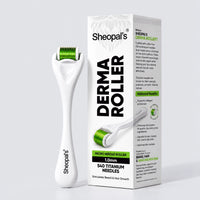
- Derma roller. A small roller with tiny needles that creates microscopic pricks on your skin when rolled over, which may boost blood flow.
- Vitamins. Often biotin and vitamin D. These matter most if you’re low on them.
- Wash, brush, comb and trimmer. For a clean, tangle-free beard that looks thicker and breaks less.
Does a Beard Growth Kit Actually Work?
Here’s the fair answer: Beard growth kits partially help with beard growth.
Healthy skin grows healthier hair, so moisture, cleanliness, and good nutrition do help. Some men also see thin patches fill in with regular microneedling.
But the research is thinner than the marketing. Most studies on microneedling, biotin, and vitamin D look at scalp hair or deficiencies, not beards.
The rest depends on genetics. Your follicles’ response to testosterone and DHT sets your density, and facial hair only grows about half an inch a month on average. A kit can help support the process of beard growth, not boost it magically in a few days.
Benefits of a Beard Growth Kit
If you use a kit properly, here’s what to realistically expect:
- Less dryness and beard itch
- Softer, shinier, easier-to-style hair
- Less breakage, so you keep more length
- Possibly fuller-looking patches over time
- A grooming routine you’ll actually stick to
Side Effects of Beard Growth Kit
Most people do fine, but you might experience some downsides.
Irritation and allergies. Fragrances, plant extracts, and oils, if used in any amount in the formulation, can cause redness or rashes. Test a small spot on your jawline first, and stop if anything burns or swells.
Breakouts. Heavy oils can clog pores. If you get acne under your beard, use less oil or switch to something lighter like jojoba.
Derma roller problems. A dirty roller can cause infection, and pressing too hard or rolling too often can cause bleeding, scars, or dark marks. Skip it if you have active acne, eczema, open wounds, or a history of keloid scars.
Supplements. Biotin can skew some lab tests, so tell your doctor you take it.
Minoxidil. It’s used off-label on the face and can cause dryness and irritation. So, make sure to talk to a doctor before trying it.
If you have a skin condition or take regular medication, check with a doctor or dermatologist first.
How to Use a Beard Growth Kit?
Always follow your kit’s own instructions. If it doesn’t give any, this routine works for most people.
Start by washing your face and beard with a gentle cleanser, then pat dry. On roller days, clean the roller with isopropyl alcohol and roll lightly over the beard area: up and down, side to side, then diagonally, around four or five passes each way. A little pinkness is normal. Bleeding means you’re pressing too hard.
Give your skin a few minutes to settle, then dab serum on the thin areas. Skin is more absorbent right after rolling, so skip strong actives like acids or retinol that day.
Every day, rub 3 to 5 drops of beard oil between your palms and work it in from the skin outward. Then brush or comb the beard to spread the oil and train the hair to lie in one direction. Take any vitamins as directed, and don’t double up.
After rolling, wash the roller, let it dry, and put it back in its case. Replace it every one to three months, or sooner if the needles look bent.
Take a photo of your beard once a month. Growth is usually slow, so we recommend taking photos to see how much your beard has grown.
Derma Rollers and the 1 mm Question
Microneedling may improve blood flow and help products sink in. Scalp studies are encouraging, and plenty of users say their beard patches look fuller after using a dermaroller. However, there is limited research on whether it actually helps with actual beard growth, so treat it as support, not a solution.
Now, there is a question about the needle size; here we’ll tell you what you can choose as per your needs.
- 0.25 to 0.5 mm: Best for beginners and sensitive skin. Up to twice a week.]
- 1 mm: A popular choice for beards. It goes deeper, so about once a week is enough.
- 1.5 mm and up: Leave this to professionals.
Is a 1 mm roller safe for facial hair?
For most healthy adults, yes, if it’s clean, your pressure is light and you don’t overdo it. It’s not safe on broken, infected, or very irritated skin. If you’re new to this, start at 0.5 mm. A roller isn’t a medical treatment, either. If your beard is very patchy, see a dermatologist.
How to Pick a Beard Growth Kit?
There’s no single best brand, so you need to judge on quality:
- Is the ingredient list clear, or hidden?
- Are the oils ones you recognize, like jojoba, argan, castor, or coconut?
- Does the roller have sharp, medical-grade needles and a case?
- Does it suit your skin? Oily skin does better with lighter products.
- Are the claims honest? “Guaranteed” is a red flag.
- Are there verified reviews and a real return policy?
Compare two or three kits, read the labels, and pick the one that fits your skin and budget. Price isn’t proof of quality.
Sheopals Beard Growth Kit

If you don’t know where to start, you can try our premium beard growth kit that includes:
- A Beard Serum formulated with Redensyl, anagain, Procapil, and Niacinamide to support beard growth from the root.
- Beard Growth Capsules made with Ayurvedic herbs like amla, bhringraj, kalonji, methi, and harad to nourish your beard from the inside.
- A Derma Roller with 450 titanium, 1.00 mm microneedles that go deep into the skin so the product can be absorbed better, improving the chance of better beard growth.
Sheopal’s Beard Growth Kit makes a perfect choice for people trying to grow out their beard and making beard care a part of their daily routine.
Habits That May Help Alongside a Beard Growth Kit
A kit may be helpful, but you also need to pay attention to your daily beard care and grooming habits.
- Don’t trim too early. Let the beard grow for about four weeks first.
- Eat enough protein, iron, and zinc; sleep properly; and drink water.
- Don’t pick at your face. And if the beard is patchy in an odd way, such as round bald spots, get it checked, because conditions like alopecia areata or low hormone levels can be the cause.
Conclusion
A beard growth kit won’t turn a patchy beard into a full one overnight, and no honest brand should tell you it will. What it can do is give your skin and hair the right care: moisture, cleanliness, nutrients, and a routine you can stick to.
If your beard stays very patchy, your skin reacts badly, or you notice sudden hair loss, see a dermatologist instead of buying more products. Start small, stay consistent, and let your beard grow at its own pace.
|
Medical Disclaimer: This article is for general information only. Results vary and aren’t guaranteed. Talk to a doctor or dermatologist before using derma rollers, supplements, or medicated products, especially if you have a skin condition, allergies, or take medication. |
FAQs:
Q1.Which brand is good for beard growth?
Ans:No brand can promise growth, since your genes do most of the work. Choose one with clear ingredients, honest claims and verified reviews, and patch test first.
Q2.Do derma rollers actually work?
Ans:They can help some people. Scalp research is promising, and many men report fuller beard patches. The beard evidence is limited, and it won’t help if your follicles are inactive for genetic reasons.
Q3.What is the most effective beard growth serum?
Ans: Minoxidil is the most studied hair-regrowth ingredient, but it’s a medicine and is used off-label on the face, so ask a doctor first. Cosmetic serums with biotin, caffeine or peptides are milder and have weaker evidence.
Q4.How do I use a beard growth kit?
Ans: Wash your face, roll once or twice a week depending on needle size, apply serum to thin areas, use beard oil daily, brush, and take any vitamins as directed. Stick with it for at least 3 months.
Q5.Is a 1 mm derma roller safe for hair?
Ans:For most healthy adults, yes, at about once a week with a clean roller and light pressure. Avoid broken or irritated skin, and start at 0.5 mm if you’re unsure.

Dr. Prachi Sharma Vats – Ayurvedic Physician, Author & Wellness Expert
Dr. Prachi Sharma Vats is a dedicated Ayurvedic physician specializing in Ayurvedic nutrition, women’s hormonal health, and PCOD management. She holds a Bachelor of Ayurvedic Medicine and Surgery (BAMS) degree from Shri Krishna AYUSH University, Kurukshetra.
Currently associated with Sheopal’s, a leading Ayurvedic and wellness brand, Dr. Prachi focuses on treating lifestyle related disorders through holistic Ayurvedic practices, personalized diet guidance, and natural healing therapies. Her approach blends classical Ayurvedic wisdom with modern health insights to promote sustainable well-being.
Recent Post

थायराइड में क्या खाएं, क्या न खाएं: आसान डाइट चार्ट
थायराइड में क्या खाएं और क्या न खाएं, एक दिन का आसान डाइट चार्ट, दवा लेने का सही समय और खाने के साथ मदद करने वाली आदतें, सब सीधी भाषा में।
Nov 10, 26

कौंच बीज के फायदे पुरुषों के लिए: उपयोग, सेवन और सावधानी
कौंच बीज पुरुषों की रोज़ की energy, stamina, mood और हार्मोन संतुलन को support करता है। जानिए फायदे, सेवन का सही तरीका, असर कितने दिन में दिखता है और किसे नहीं लेना चाहिए।
Nov 09, 26

Beard Growth Kit Benefits, Side Effects & How to Use It
Nov 09, 26

Which Is the Best Beard Growth Oil in India? Complete Guide
Nov 05, 26

घुटनों के दर्द के कारण और घरेलू-आयुर्वेदिक उपाय
घुटनों के दर्द के आम कारण, घर पर अपनाने लायक आसान उपाय, मालिश का सही तरीका और कब डॉक्टर से मिलना ज़रूरी है — सरल हिंदी में।
Nov 04, 26
Best Seller


Thoughts on "Beard Growth Kit Benefits, Side Effects & How to Use It"