|
Medical Disclaimer:
The information provided in this article is for general educational purposes only and should not be considered a substitute for professional medical advice, diagnosis, or treatment. Please consult your doctor or a qualified Ayurvedic practitioner before using any herbal remedy.
|
Your knees hurt climbing stairs. Your back gives up by afternoon. Your shoulders ache by evening without any obvious reason.
Most people just grab a painkiller and move on. It works for a few hours, but the pain comes back, and over time, those pills bring their own problems like Acidity & Dependency, and therefore, the original pain never really goes away.
Ayurveda has been solving this problem for thousands of years using simple herbs and oils you can make right at home. In this blog, we will talk about 9 pain relief oil recipes that are affordable, easy to prepare, and completely free from side effects. We will cover what pain relief oil actually is, why making it at home makes more sense than buying it, and how to prepare each oil step by step. Pick the one that matches your pain and give it a proper try.
What Is Pain Relief Oil?
A pain-relief oil is a herbal oil you massage directly into the area that hurts. Certain herbs carry natural compounds that fight swelling, relax tight muscles, and improve blood flow. When those herbs are heated in a carrier oil, those compounds transfer into the oil. You apply it to your skin, and it absorbs straight into the muscle underneath, no digestion involved, no waiting around.
In many Indian homes, this is simply called dard ka tel. The herbs change depending on the type of pain, but the method stays the same.
Three things that go into a pain relief oil:
-
A healing herb — camphor, cloves, ginger, turmeric, or others
-
A carrier oil — coconut, sesame, mustard, or almond
Sometimes, a warming or cooling agent like mint
Why Make Pain Relief Oil Recipes at Home?
When you buy a readymade oil, you do not know how old the herbs are, how much active ingredient actually made it into the bottle, or what preservatives were added. When you make it yourself, none of that is a question.
People who have seen घुटनों के दर्द के लिए तेल बनाने की विधि at home say the same thing. The homemade version worked better than the branded one they had been using for months. Freshness makes a real difference.
Other reasons to make it yourself:
- Much cheaper than store-bought products
- You control what goes in and how much
- Small batches mean you always use fresh oil
-
No unnecessary chemicals or preservatives
|
Did You Know?
According to the WHO, around 1.71 billion people worldwide are living with musculoskeletal conditions. This is why many people go for supportive practices such as massage, stretching, and traditional herbal oils for everyday comfort.
|
9 DIY Pain Relief Oil Recipes
Each recipe targets a specific type of pain. All of them follow a simple आयुर्वेदिक तेल बनाने की विधि warm the oil, add the herb, let it infuse, strain, and store.
1. Kapoor (Camphor) Oil — For Muscle and Joint Pain
Camphor is the most commonly used pain oil in Indian homes, and for good reason. It creates warmth under the skin, loosens tight muscles, and gets blood moving into stiff joints quickly. Works especially well in winter and after heavy physical work. Many people looking for the best pain relief oil in Ayurveda are pointed toward camphor oil first.
Ingredients:
- 5 to 10 camphor tablets
- 1 cup coconut oil
Method:
- Set up a double boiler on medium heat.
- Warm the coconut oil in it.
- Crush camphor tablets into powder and add to the oil.
- Stir until fully dissolved.
- Cool completely and store in a glass jar.
2. Mint Oil — For Headaches and Sore Muscles
Mint does the opposite of camphor; it cools instead of warming. The menthol in mint leaves triggers cold receptors in your skin, and the brain reads it as pain relief. Apply it to your forehead and temples when a headache starts building. One of the easiest recipes for pain relief oil at home, and it works faster than most roll-ons from the chemist.
Ingredients:
- Half a cup of fresh mint leaves
- 1 cup almond oil
Method:
- Warm almond oil in a steel pan on medium heat.
- Crush mint leaves lightly and drop them into the oil.
- Lower the flame and simmer for 20 minutes.
- Cool, strain, and store in a glass jar.
3. Clove Oil — For Nerve Pain and Toothache
Cloves contain eugenol, a compound that naturally numbs tissue on contact. That is why clove has been the go-to toothache remedy in India forever. The same numbing quality makes it useful for nerve pain, too. If you are learning दर्द का तेल बनाने की विधि for the first time, this is one of the quickest recipes to make.
Ingredients:
- 2 tablespoons whole cloves
- 1 cup sesame oil
Method:
- Heat sesame oil in a pan over medium heat.
- Add whole cloves and let it simmer for 15 mins.
- Strain the oil, bottle it, and let it cool.
4. Kali Mirch (Black Pepper Oil) — For Stiffness
Black pepper contains piperine, which reduces joint inflammation and improves circulation in stiff areas. When it is mixed with mustard oil, which is itself warming, it becomes a powerful combination to support arthritis pain and stiffness. This jodo ke dard ka tel has been used in Indian households long before any pain gels.
Ingredients:
- 2 tablespoons of crushed black pepper
- 1 cup mustard oil
Method:
- Heat mustard oil on a medium flame.
- Add crushed black pepper and let it boil in a simmer flame for 10 minutes.
- Cool, strain, and bottle it for use.
5. Turmeric Oil — For Swelling and Bruises
Turmeric's active compound curcumin is one of the most studied natural anti-inflammatories in the world. This oil does not create heat, but it works quietly, reducing swelling and helping bruises and sprains heal faster over time. If you want to know how to make pain relief oil at home for injuries and inflammation specifically, start with this one.
Ingredients:
- 3 tablespoons turmeric powder
- 1 cup olive oil
Method:
- Gently warm olive oil in a pan.
- Stir in turmeric powder until evenly mixed.
- Switch off the heat and leave it to sit for two full days.
- Strain through a fine cloth and bottle it.
6. Ginger Oil — For Back Pain and Tight Muscles
Ginger contains gingerols that directly reduce pain signals in muscle tissue and improve blood flow to tight areas. People with chronic lower back pain often say that ginger oil, when massaged in before bed, makes a noticeable difference by morning. It also works well as a homemade massage oil for joint pain in the knees and hips.
Ingredients:
- Half a cup of grated fresh ginger
- 1 cup sesame oil
Method:
- Warm sesame oil on medium heat.
- Add grated ginger and stir.
- Keep it on a low flame for 30 minutes.
- Cool, strain well, and store it.
7. Jaiphal Oil (Nutmeg Oil) — For Nerve Pain and Stress
Nutmeg calms the nervous system rather than just creating heat or reducing swelling. This makes it different from every other oil on this list because if your pain comes with stress, tension, or nerve involvement like sciatica, nutmeg oil addresses something the others cannot. Many people use it as their ayurvedic pain relief oil specifically before sleeping and wake up feeling far less tense.
Ingredients:
- 2 tablespoons grated nutmeg
- 1 cup coconut oil
Method:
- Warm coconut oil on the lowest flame possible.
- Add grated nutmeg.
- Let it infuse slowly for a full hour.
- Strain and store it in a glass jar.
8. Tejpatta Oil (Bay Leaf Oil) — To support Rheumatic pain
Bay leaves contain linalool and eugenol compounds, which help reduce swelling and improve movement in joints affected by rheumatism. This oil is best used daily for a period of weeks. Less stiffness in the morning, more movement during the day. For anyone looking for घुटने का दर्द उपाय आयुर्वेदिक तेल, tejpatta oil is worth a try.
Ingredients:
- 10 to 12 dried bay leaves
- 1 cup mustard oil
Method:
- Heat mustard oil in a pan.
- Add dried bay leaves and simmer for 15 minutes.
- Cool; strain and place in a glass jar.
9. Nirgundi Oil - For Long-Term and Severe Pain
Nirgundi, scientifically called Vitex negundo, is one of the most powerful herbs in Ayurveda for pain. Its leaves are packed with flavonoids and alkaloids that fight inflammation and nerve pain at a deeper level than most other herbs. Recommended for sciatica, serious arthritis, and muscle spasms that have not responded to other treatments. People who have been in chronic pain for years and tried everything often say nirgundi is what finally worked. In classical Ayurvedic texts, it is consistently called the most reliable dard nivarak tel for severe and long-standing pain.
Ingredients:
- 2 tablespoons dried nirgundi leaves or 1 cup fresh crushed leaves
- 1 cup sesame oil
Method:
Conclusion
Pain makes small things hard, like climbing stairs, sitting for long or bending down. These 9 recipes give your body real, natural support without putting more chemicals into your system.
Pick one recipe that matches your pain. Make a small batch and use it daily for two to three weeks. That is all it takes to start seeing a difference. If your pain is severe or has been going on for a long time, please see a doctor alongside trying these remedies. Home oils work well, but some conditions need professional attention, too.
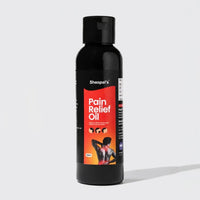
And if making the Ayurvedic pain relief oil feels like too much right now, you may also consider a ready-to-use Ayurvedic herbal oil. Sheopals Pain Relief Oil is formulated with carefully selected traditional herbs, including Nirgundi, Clove, and Mint, along with other botanical ingredients. It carries 12+ carefully chosen herbs, including nirgundi, cloves, and mint, all natural, nothing artificial, and ready to use from day one.
FAQs:
Q1. How to make painkiller oil at home?
Ans: You can make herbal pain relief oil by heating oil such as sesame or coconut oil with herbs like camphor, ginger, or turmeric. Let it infuse, strain it, and store it in a clean glass bottle.
Q2. Which oil is best for pain relief?
Ans: There is no single best option for everyone. Many people use Ayurvedic pain-relief oil made with herbs such as Nirgundi, camphor, ginger, and clove for everyday massage and comfort.
Q3.How to make muscle pain relief oil at home?
Ans: A simple recipe is to simmer grated ginger or camphor in sesame oil for a few minutes, then strain and cool it before use.
Q4.Which oil is best for knee swelling?
Ans: Many people prefer घुटने का दर्द उपाय आयुर्वेदिक तेल, such as turmeric oil or Nirgundi oil, which are traditionally used for knee massage and joint care.
Q5. What is the best home remedy for joint pain?
Ans: Regular massage with herbal oils, gentle stretching, staying active, and maintaining a healthy diet are commonly used home remedies for joint discomfort.
Q6. What are the ingredients in ayurvedic pain oil?
Ans: Most Ayurvedic pain oil formulations contain herbs such as Nirgundi, ginger, clove, mint, camphor, turmeric, and sesame or coconut oil as the base.

Dr. Prachi Sharma Vats – Ayurvedic Physician, Author & Wellness Expert
Dr. Prachi Sharma Vats is a dedicated Ayurvedic physician specializing in Ayurvedic nutrition, women’s hormonal health, and PCOD management. She holds a Bachelor of Ayurvedic Medicine and Surgery (BAMS) degree from Shri Krishna AYUSH University, Kurukshetra.
Currently associated with Sheopal’s, a leading Ayurvedic and wellness brand, Dr. Prachi focuses on treating lifestyle related disorders through holistic Ayurvedic practices, personalized diet guidance, and natural healing therapies. Her approach blends classical Ayurvedic wisdom with modern health insights to promote sustainable well-being.






Thoughts on "DIY Pain Relief Oil Recipes: Make Your Own Blends at Home"